
19 November 2022 – Late afternoon and evening
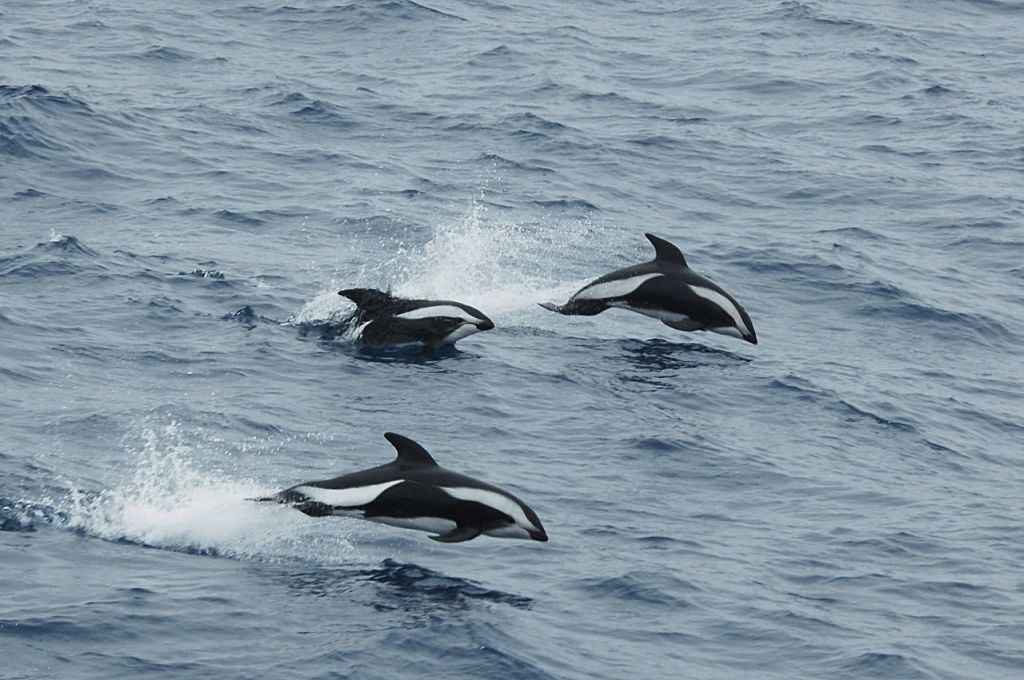
Heleen hosted an informative lecture on the “Fantastic Fins of the Falklands” – Whales and dolphins around the Falkland area. Unfortunately I did not take any pictures – but did manage to identify some Hourglass Dolphins swimming along the ship the next day. Again – no pictures as my camera was charging in the cabin and we were up in the Explorer Lounge. They were too far to be captured on the cellphone and after I fetched my camera – naturally, they were gone. But I was the one to spot them and that’s super cool!
Then it was time for Manu’s “Scientific Diving and Kelp Forests” presentation. He explained what being a scientific diver entails and the work he has been doing as part of a National Geographic team to campain for Peninsula Mitre to be declared a conservation zone.

They succeeded in their mission and the formalities were concluded on 6 December 2022, not long after our cruise. The story also made it into the South American edition of National Geographic.

A particular picture in the Kelp forest with an octopus made such and impression on me that when on the way home, I later saw an octopus stuffed toy in Istanbul Airport, I immediately thought of that pic and Manu.


Sadly the time arrived for the final landing briefing session “Saunders Island” by Lancy.
Everyone was very excited because this landing held the promise of possible King Penguin sightings – only a small percentage of the guests went to Volunteer Point – so this would be their only chance to see King Penguins on this journey.
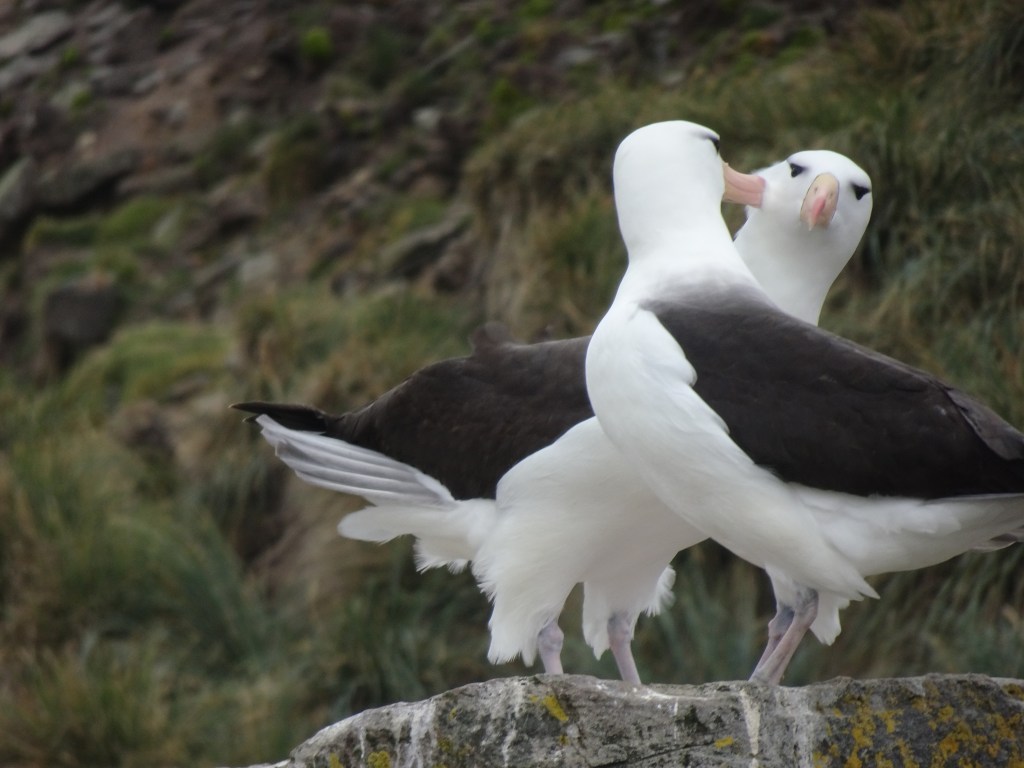
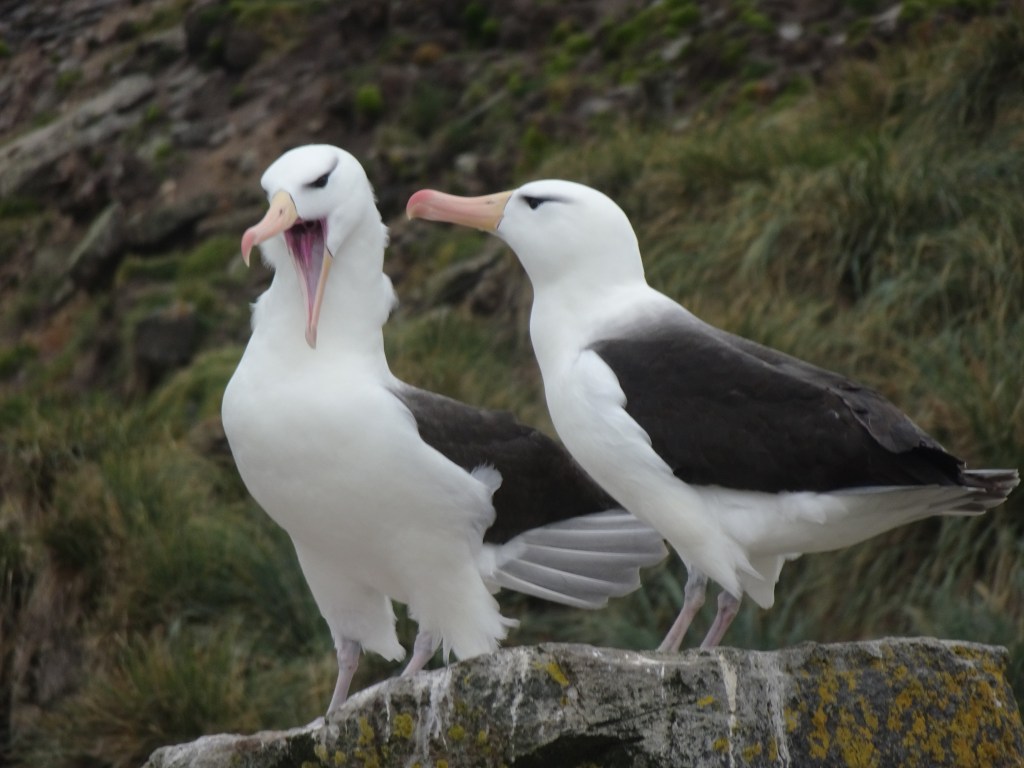
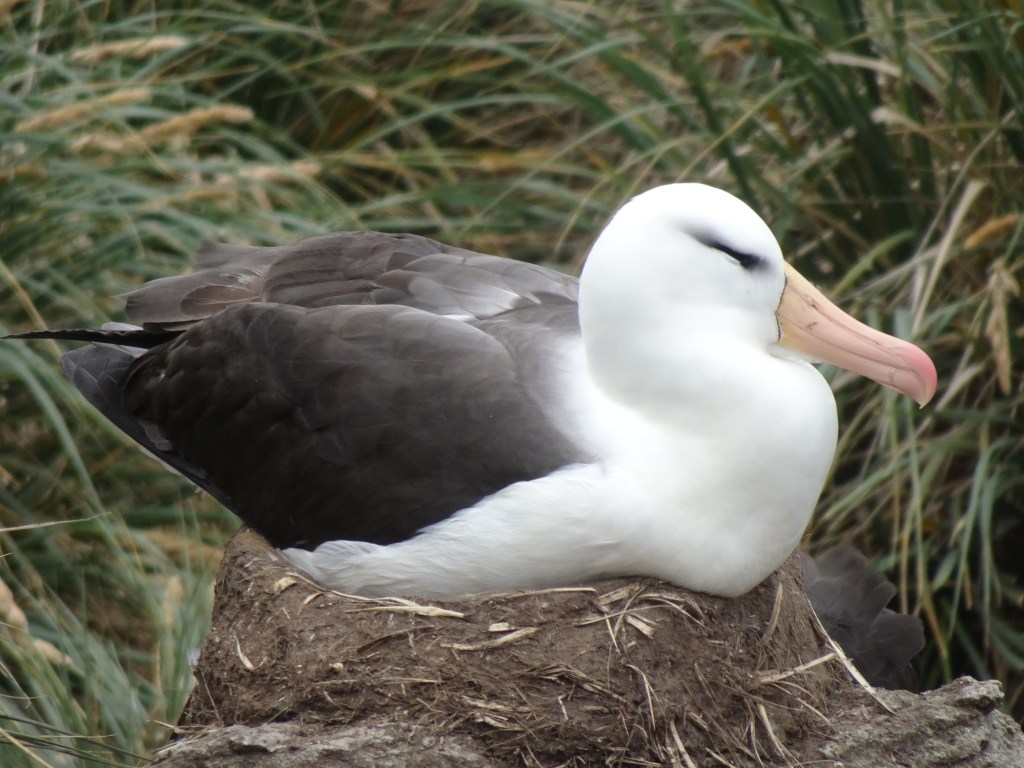
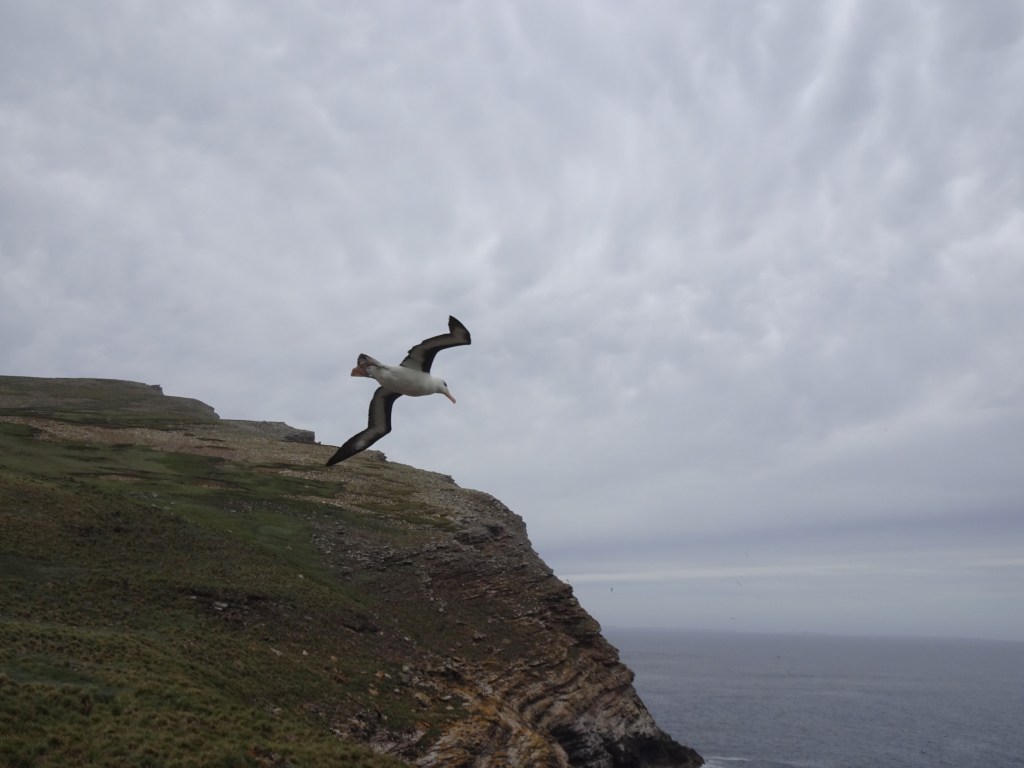
For me personally, the ‘main attraction’ would be the Imperial Cormorants (Falkland’s Blue eyed Shags) seeing that their Antarctic cousins have eluded my lens so far.
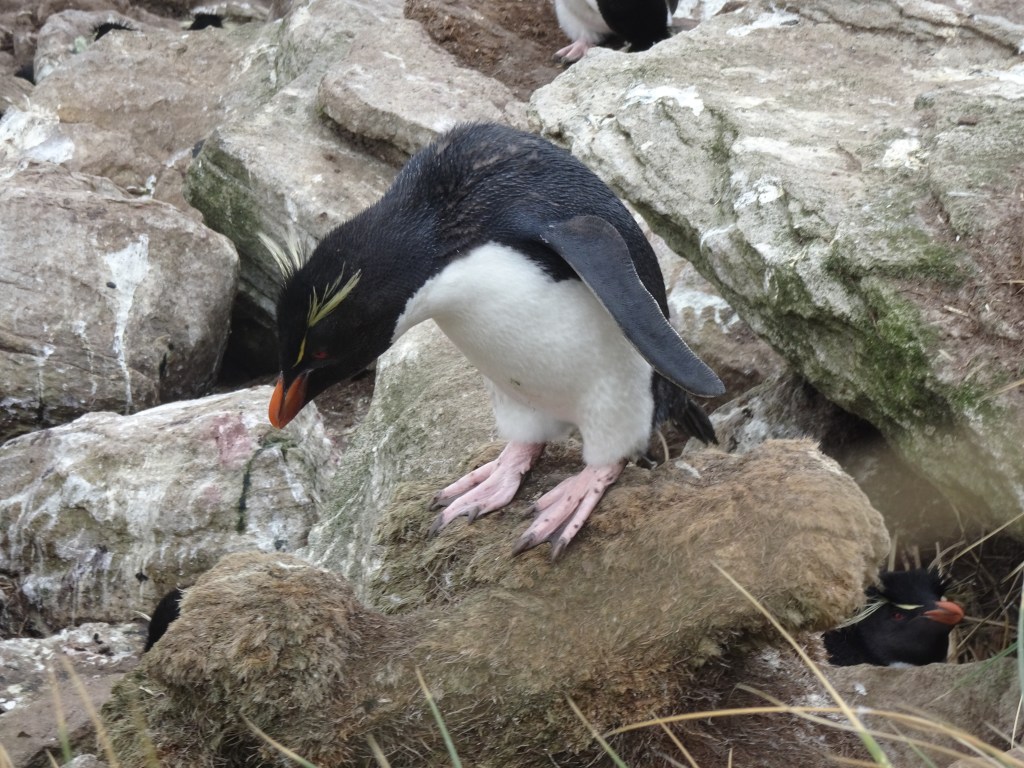
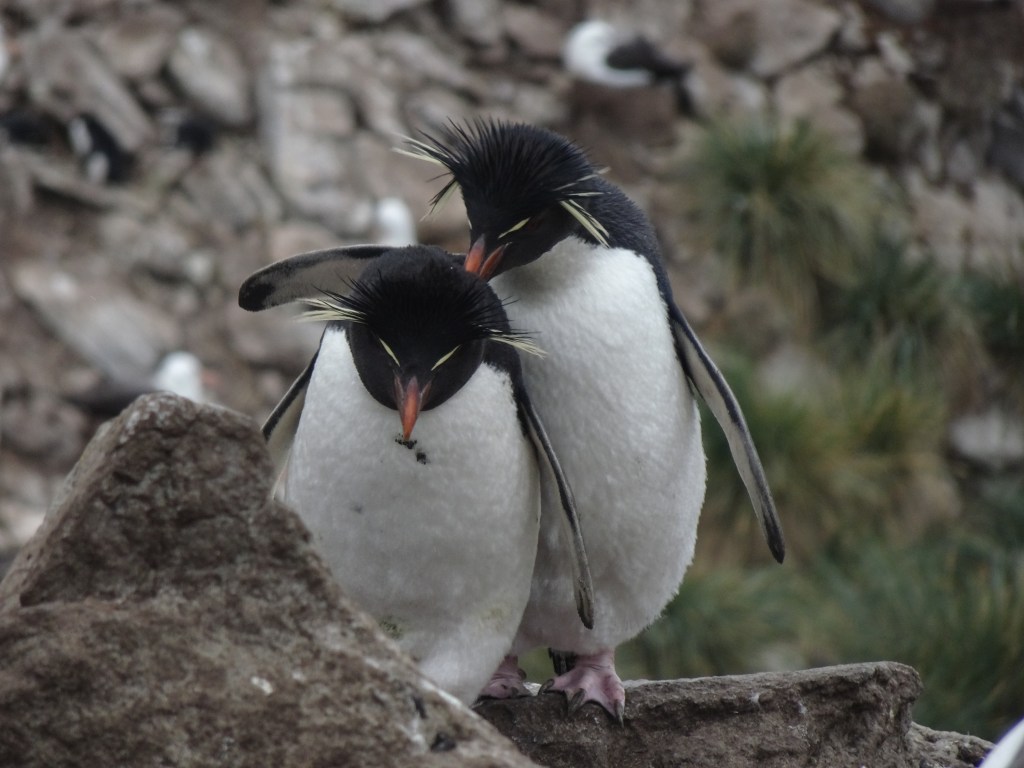
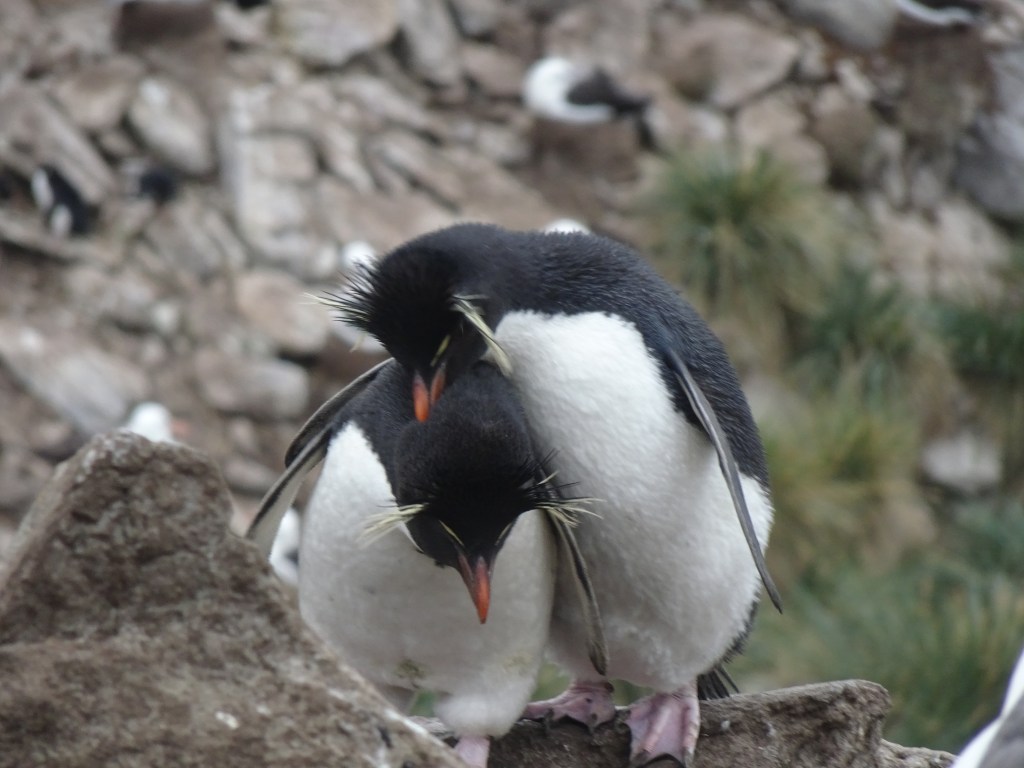
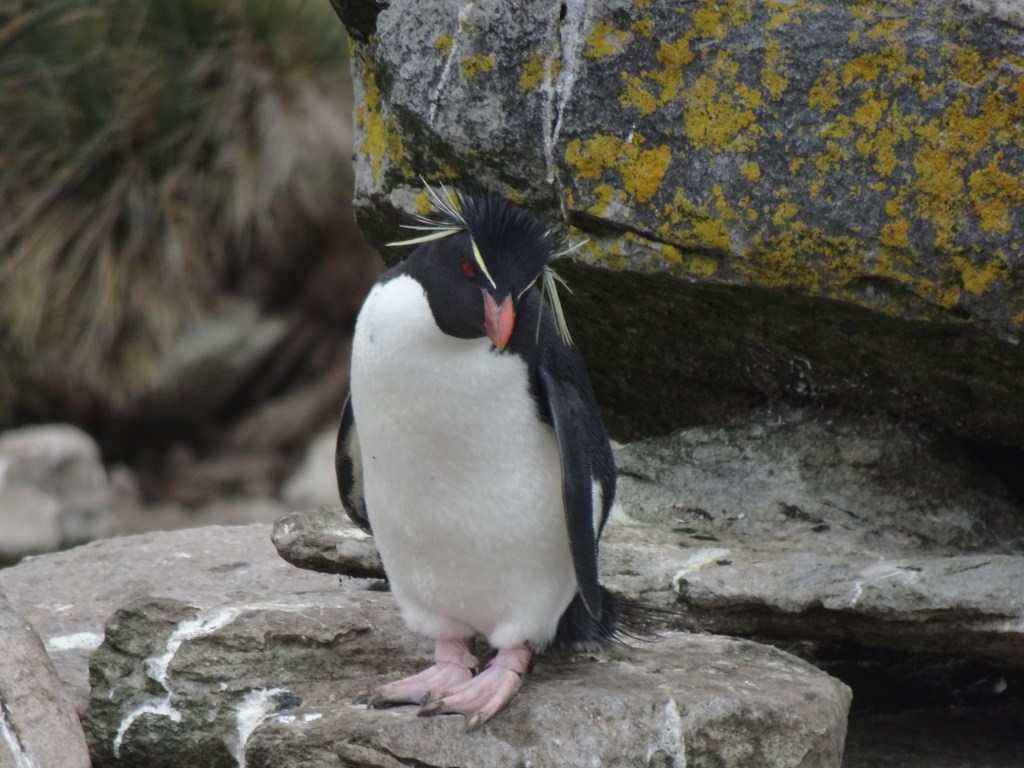
Lancy also elaborated on a study at Falklands that have found that although the Rock Hopper penguins that arrive early and nest at the lower end of the cliffs have the advantage of stronger chicks (less distance to the sea, shorter commute, more regular food runs) the “Late Nesters” who have to make due with available space higher up end up with the higher chick survival rate – the reason? Their Imperial Cormorant neighbours high up act as an alarm system against predator bird attacks, giving them an advantage – to quote Lancy “The early bird catches the worm, the late bird catches the luck!”
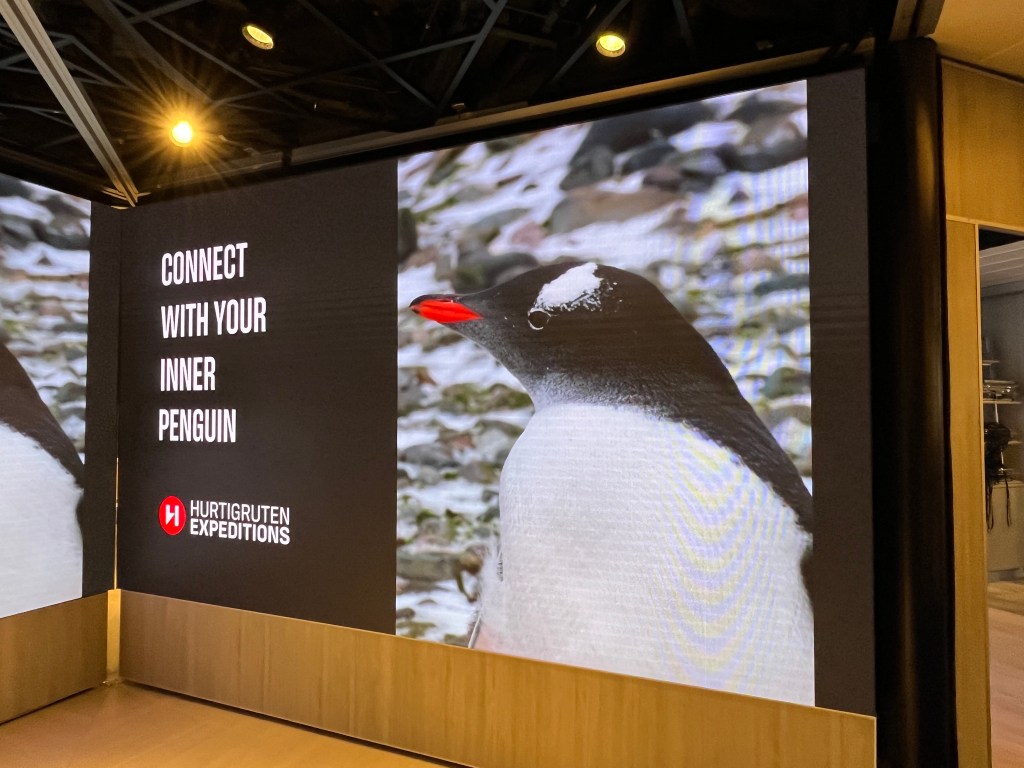
It was bittersweet when Lancy closed out his “penguin-starring briefing” with his signature slide…
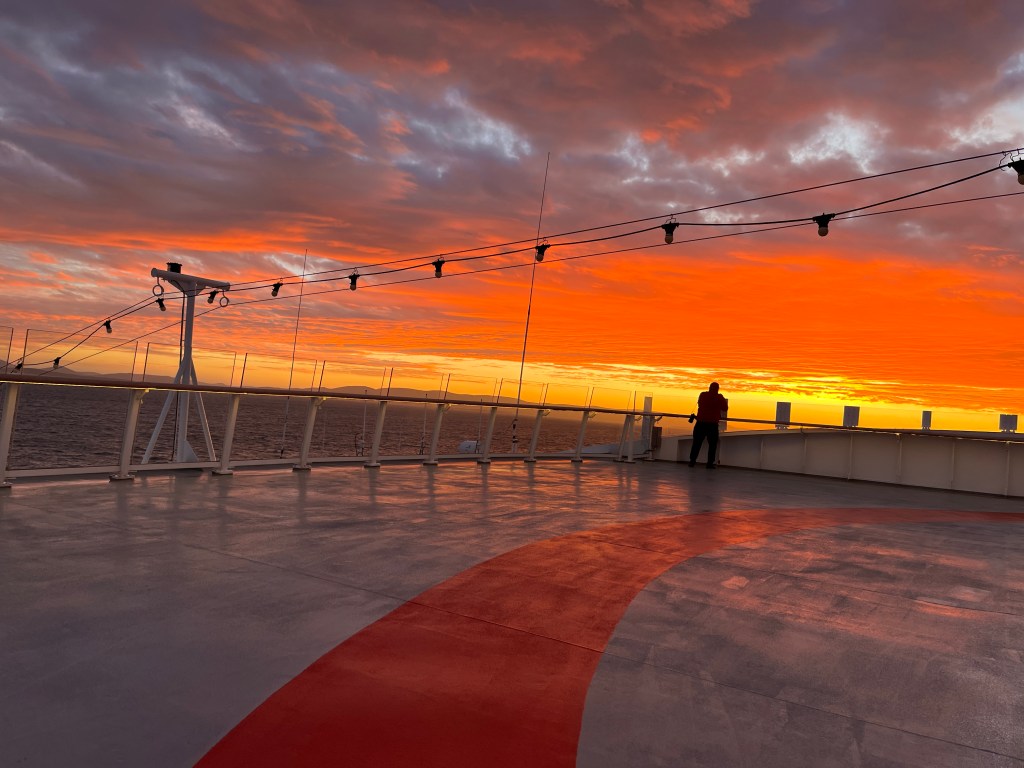
The sunset was spectacular – even though the wind almost blew us away.
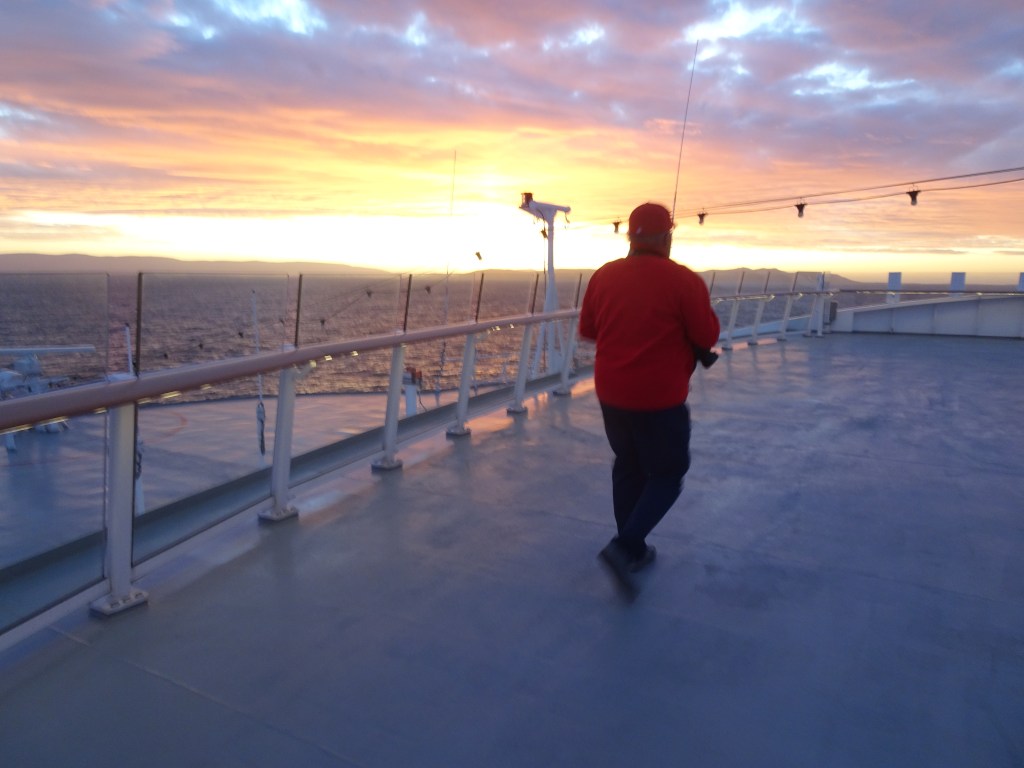


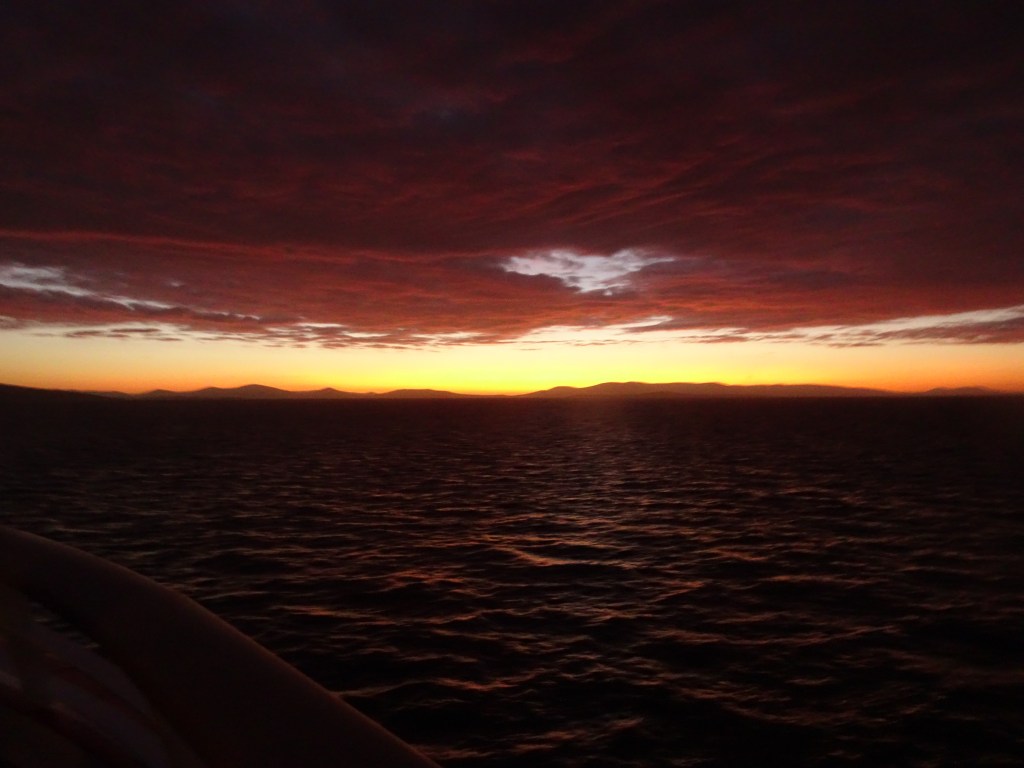
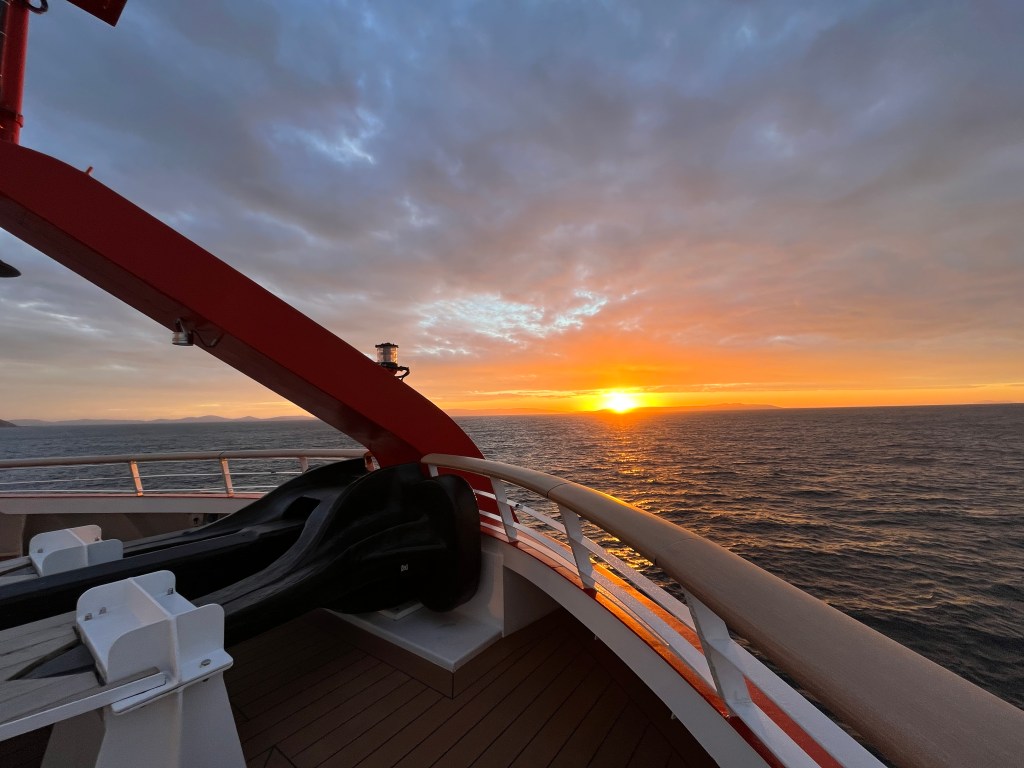
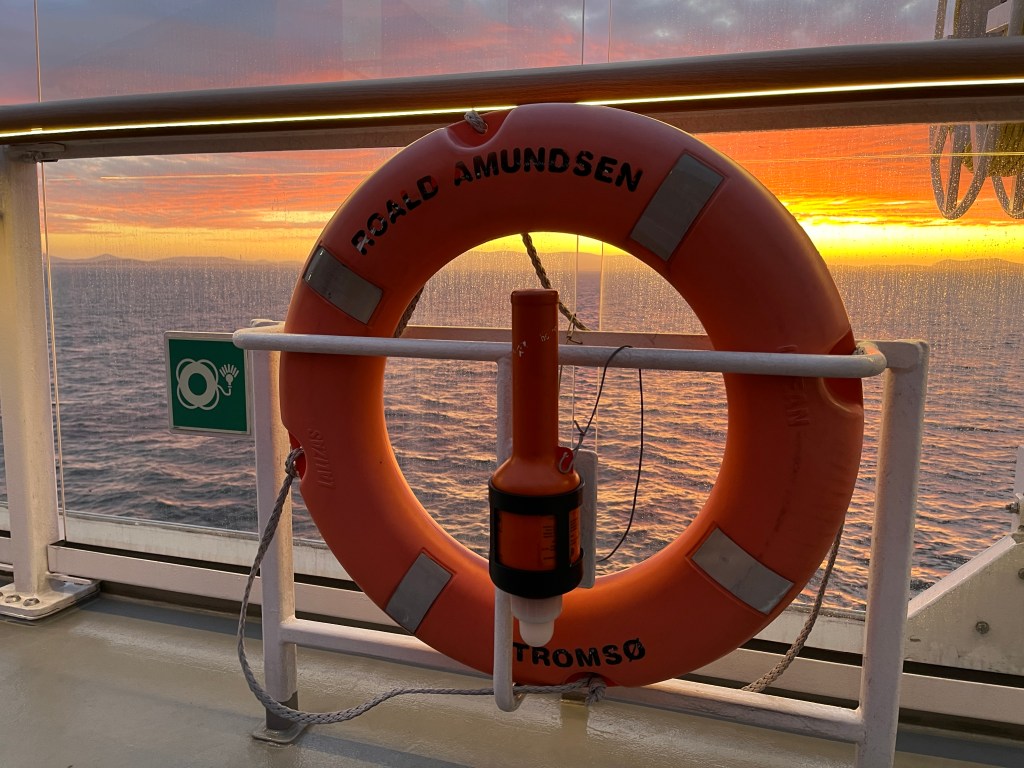
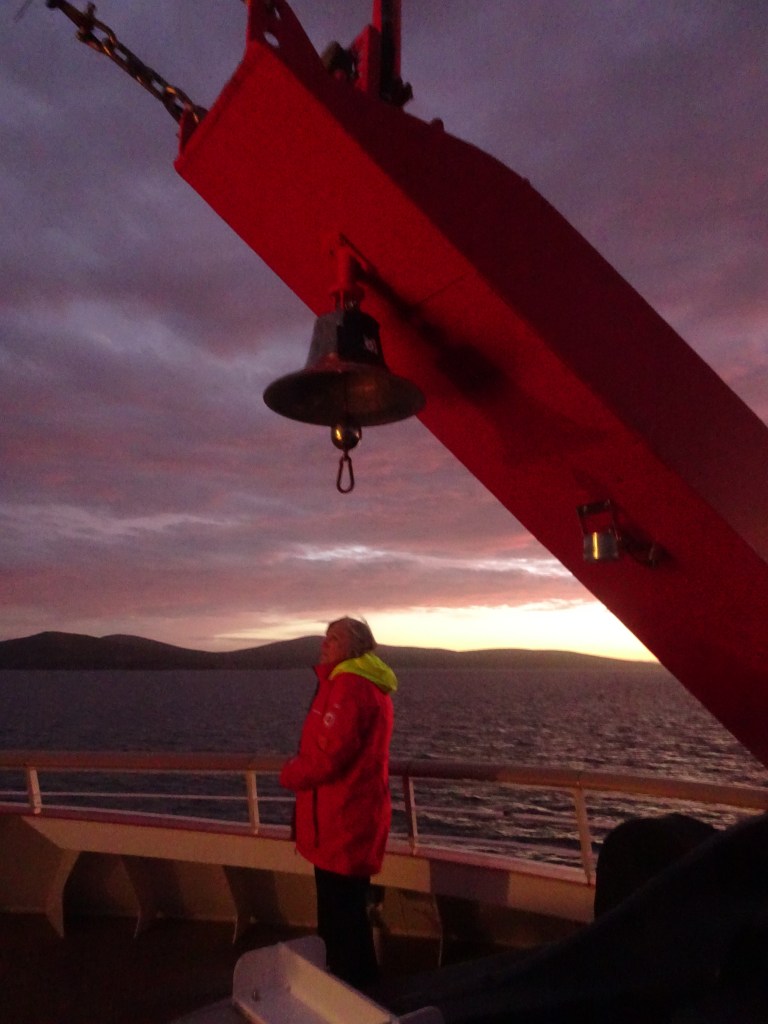
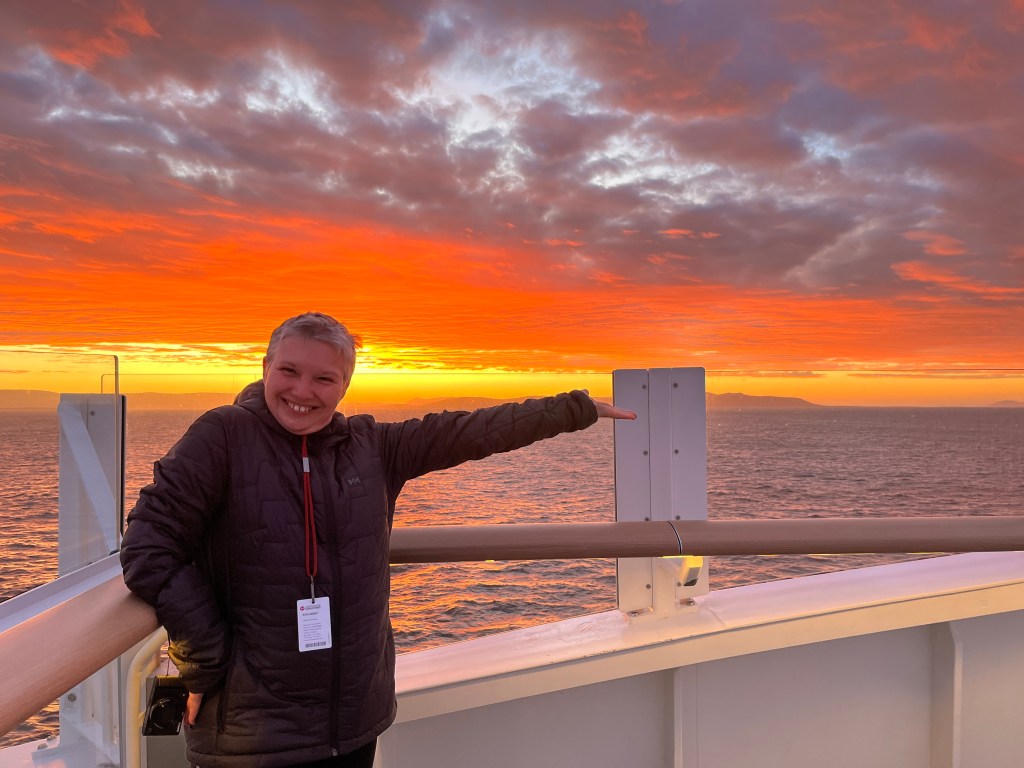
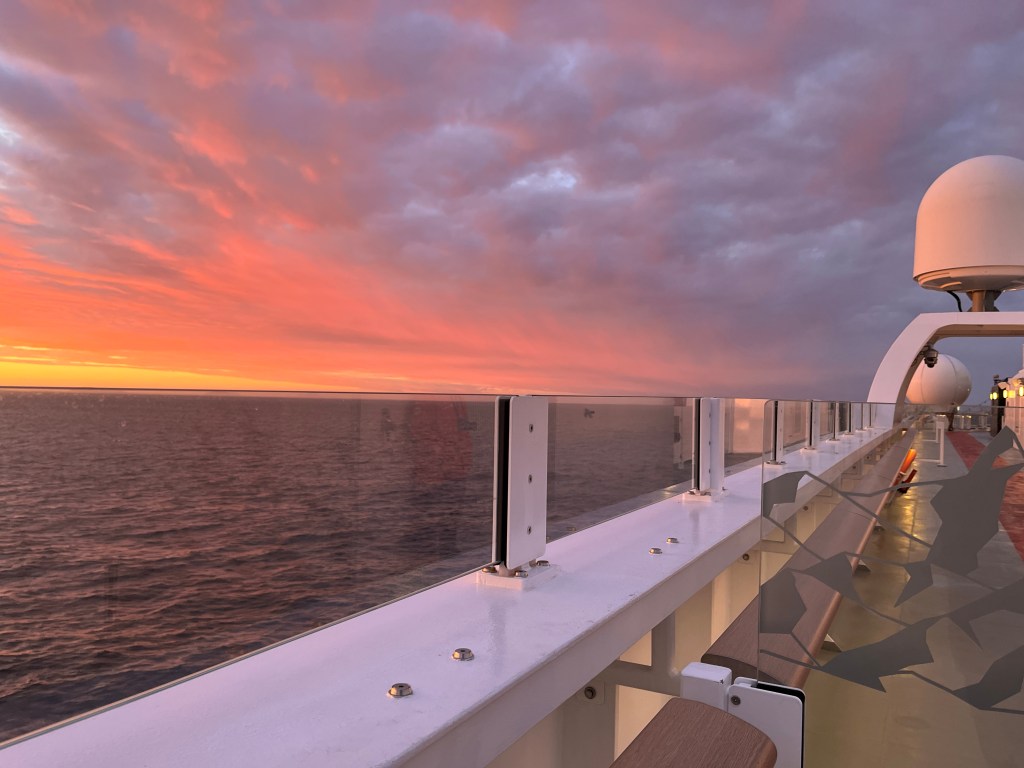
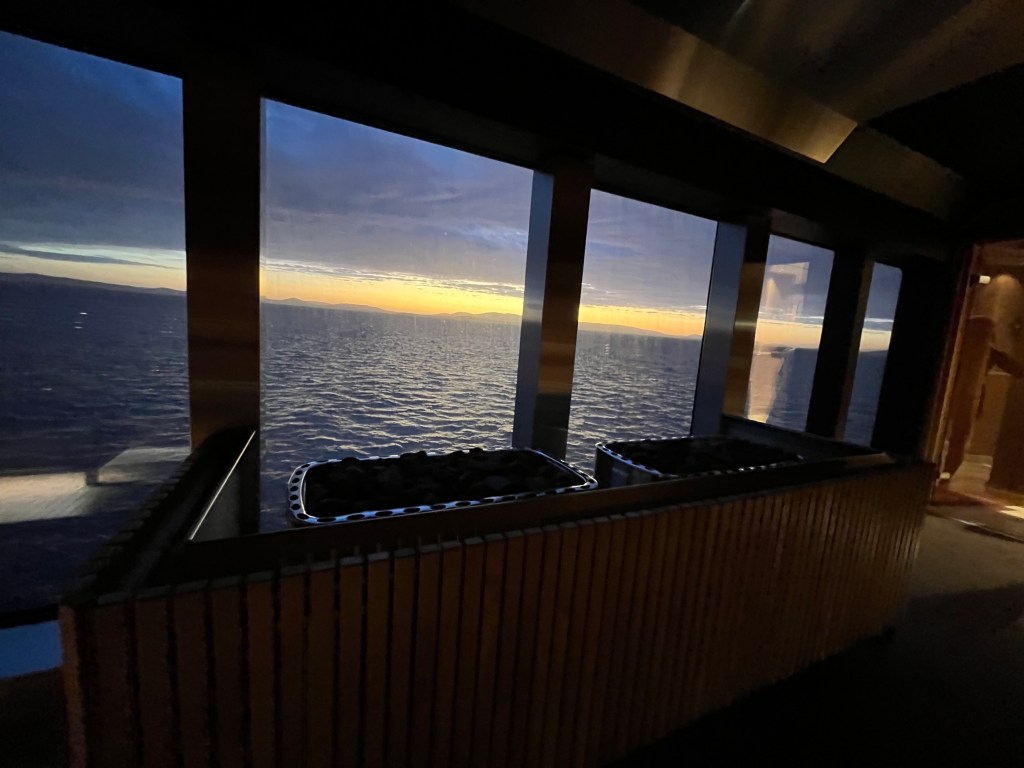
Sunset from the “Sauna”…

Some MS Roald Amundsen – when the lights go on…

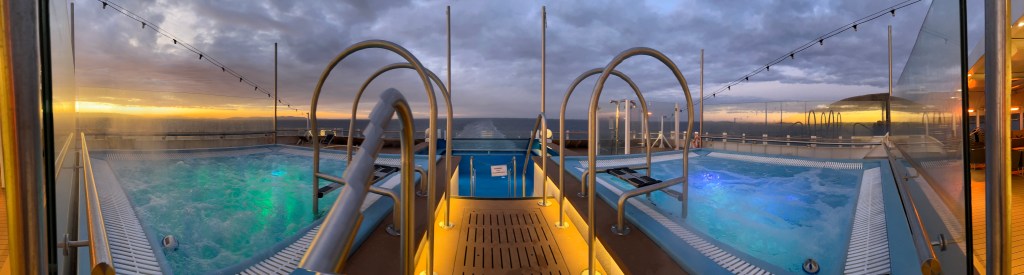

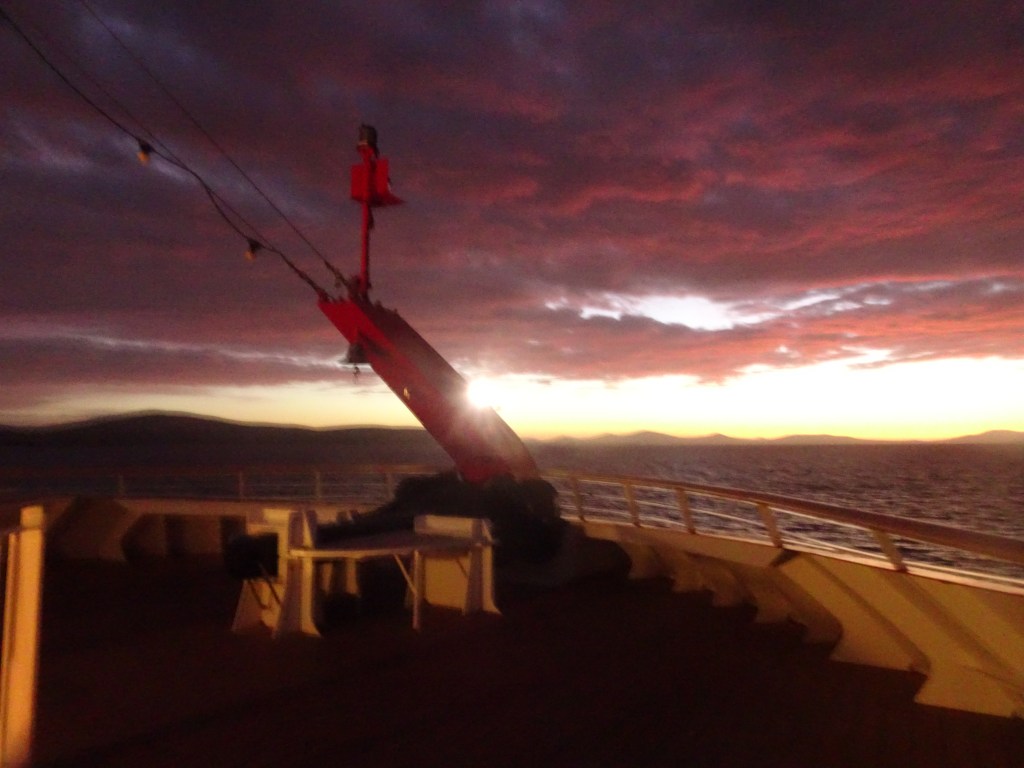


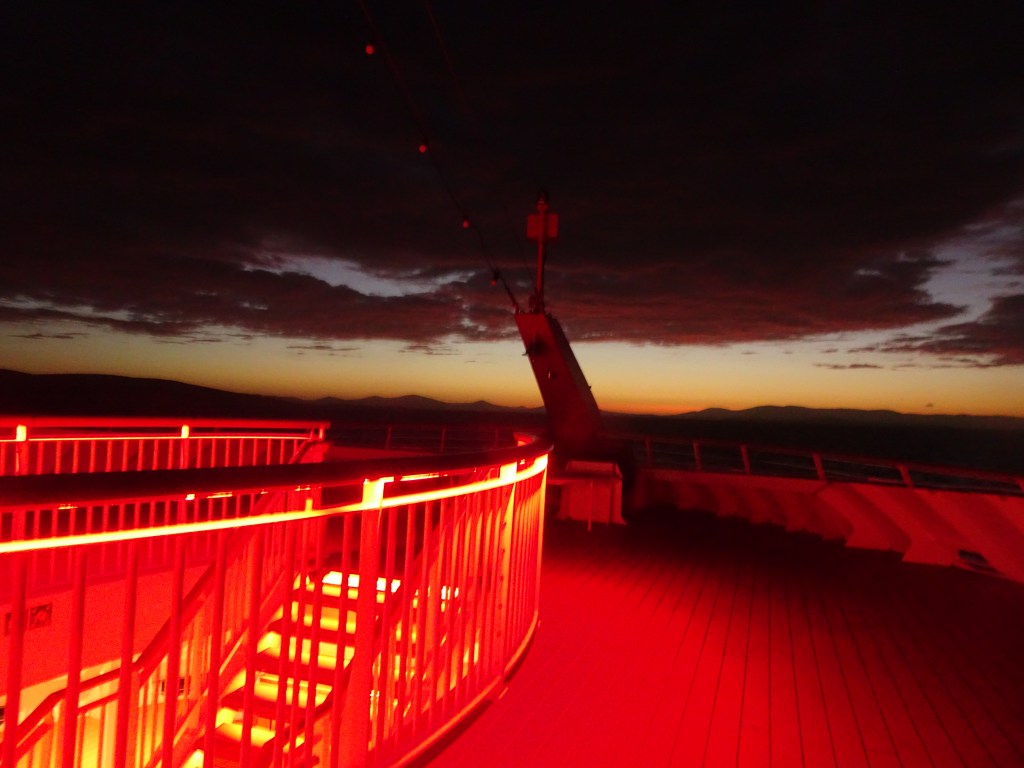
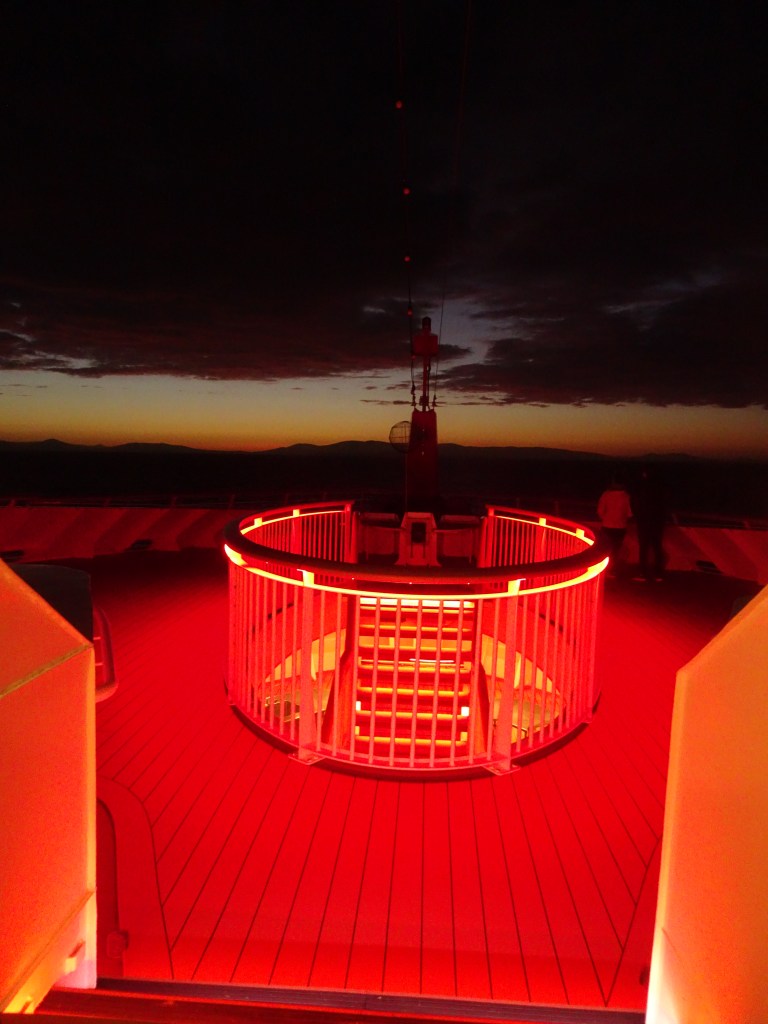
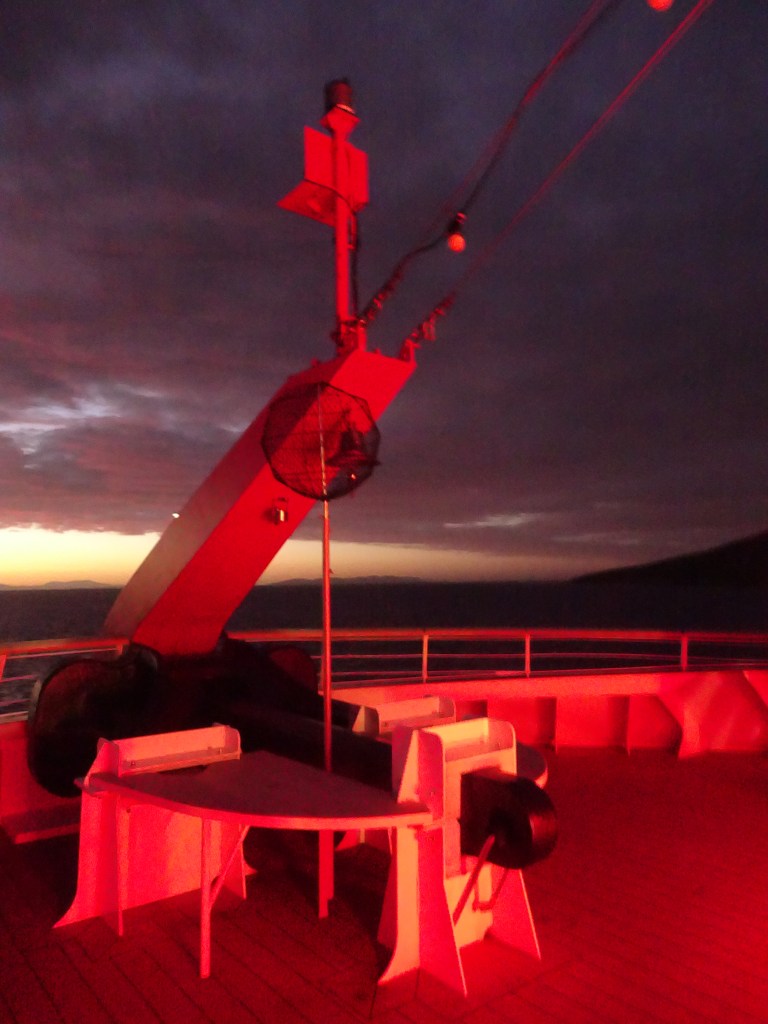
Good night – tomorrow I have a date with some “Blue eyed Shags” and the odd King Penguin.
















 Temple & Iceberg Trails: A Journey Through Asperger's